



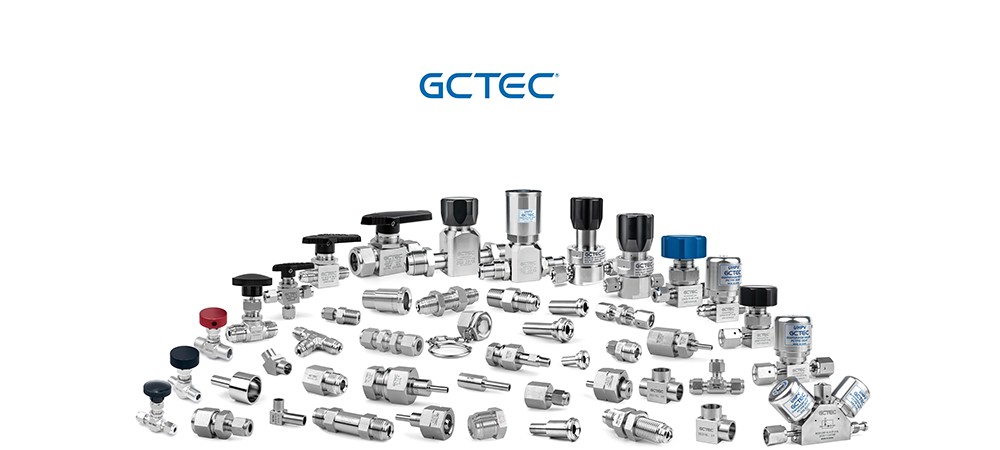
On the precision stage of modern high-end manufacturing, from the microscopic world of semiconductor chips to the cutting-edge life sciences of biomedicine,
to the booming new energy sectors like photovoltaics and LEDs, behind every brilliant achievement lies a critical yet unsung "hero": ultra-high-purity valves. Like
sophisticated "stewards," they control the flow of media like ultra-pure gases, high-purity chemicals, and deionized water, ensuring high cleanliness and stability
throughout the production process. Today, let's delve deeper into the fascinating world of ultra-high-purity valves.
1. Ultra-High-Purity Valves: Definition and Stringent Requirements
Ultra-high-purity valves are tailored for processes that demand the utmost in cleanliness. Take semiconductor manufacturing, for example. During chip production,
even the smallest amount of impurities can degrade chip performance or even render it useless. This requires valves that transport gases and chemicals to possess
pure materials, mirror-like surfaces, no risk of particle shedding, and exceptional corrosion resistance. In the biopharmaceutical field, drug production requires an
extremely stringent sterile, impurity-free environment. Ultra-high-purity valves shoulder the crucial task of ensuring the pure transmission of media, safeguarding
drug quality and patient safety.
II. Materials and Processes: The Foundation of Superior Quality
(I) High-Quality Materials
316L Stainless Steel
Due to its excellent corrosion resistance and excellent mechanical properties, it is a common material for ultra-high-purity valve bodies. 316L VIM-VAR stainless steel,
in particular, undergoes vacuum induction melting (VIM) and vacuum arc remelting (VAR) processes, further reducing impurities and enhancing material purity. It is
widely used in industries such as semiconductors. For example, Swagelok's ALD series ultra-high-purity diaphragm valves utilize this material in their valve bodies,
effectively resisting corrosion from corrosive gases.
Fluoropolymers
Such as polytetrafluoroethylene (PTFE) and its modified materials, with their excellent chemical stability, low friction coefficient, and good temperature resistance,
are commonly used in valve sealing components and coatings on internal surfaces in contact with media. Swagelok's DRP series ultra-high-purity fluoropolymer
diaphragm valves, for example, utilize modified PTFE wetted parts for exceptional chemical resistance, making them suitable for handling a wide range of highly
corrosive media.
Cobalt-Based Superalloys
Some high-end valves utilize cobalt-based superalloys (such as UNS R30003) for key components. Cobalt-based superalloys, with their high strength and excellent
corrosion resistance, ensure long-term, stable operation under complex operating conditions, effectively extending valve cycle life and making them suitable for
processes requiring extremely high valve performance, such as atomic layer deposition.
(II) Advanced Processes
Electropolishing
Using electrochemical treatment, microscopic protrusions on the valve metal surface are removed, significantly reducing surface roughness to extremely low Ra
values (e.g., less than 0.2μm). This not only reduces the number of sites for particle attachment but also improves surface corrosion resistance, ensuring that media
flowing through the valve remain contaminated. For example, some ultra-high-purity ball valves achieve a mirror-smooth interior surface after electropolishing,
significantly reducing the risk of contamination to the conveyed media. Passivation
: This creates a dense oxide film on the valve metal surface, enhancing its corrosion resistance and preventing the dissolution of metal ions during use, thereby
ensuring the purity of the media. The passivation process is crucial for valves exposed to high-purity chemicals and ultra-pure gases, ensuring long-term, stable
operation without contaminating the media.
Helium Leak Detection
: Utilizing the small size and high diffusivity of helium molecules, the valve undergoes rigorous helium mass spectrometry leak testing after assembly. The valve is
placed in a helium atmosphere, and the helium concentration detected by the leak is used to assess the valve's sealing performance. An internal leak rate of 1×10⁻⁹
std cm³/s or lower is typically required to ensure leak-free operation in high-purity applications, providing reliable support for high-precision production processes.
Related Posts
- ▶ Diaphragm Valve Applications in Pharmaceutical and Food Processing Industries
- ▶ Are Industrial-Grade Ball Valves Worth the Investment? A Lifecycle Cost Perspective
- ▶ Latest Innovations in High-Quality Pressure Regulating Valve Technology
- ▶ How Manual Diaphragm Valves Prevent Contamination in Food Processing
- ▶ Common Mistakes to Avoid When Selecting Diaphragm Valve Manufacturers
- ▶ 5 Common Mistakes When Installing Gas Pressure Regulators
Send Us A Message