



Triple Eccentric Butterfly Valve(Triple Offset Butterfly Valve): The valve stem axis is simultaneously offset from both the disc center and the body center, and the valve seat rotation axis is at a certain angle to the valve body passage axis.
The Triple Eccentric Butterfly Valve is a type of industrial valve where the valve stem axis is offset from both the center of the butterfly plate and the center of the valve body, and the valve seat rotation axis forms an angular seal with the valve body passage axis. Valve materials include cast iron, cast steel, and stainless steel, with an applicable temperature range of -196℃ to 700℃ and a pressure rating up to 2500 psi. It is mainly used in oil and gas extraction, power generation, and petrochemical industries, and complies with API 607, API 6FA fire resistance standards, and EPA 21 external leakage standards.
The Triple Eccentric Butterfly Valve operates on the principle that the valve disc's triple eccentricity allows the sealing edge to move away from the valve seat via a non-frictional cam-like motion, ensuring a tight, bubble-free seal even under high pressure. When the valve is fully open, the valve disc completely disengages from the flow path, minimizing pressure drop and ensuring unobstructed fluid flow.
For example, in extreme oil and gas operating environments, the triple-eccentric butterfly valve achieves a major breakthrough in safety and reliability through its revolutionary structural design. Its core advantage stems from three geometrically eccentric constructions: the valve seat axis is offset from the pipeline center, the sealing surface is inclined, and the valve disc has a conical design. This combination completely eliminates mechanical friction during valve opening and closing, ensuring zero leakage performance of the metal sealing surface under extreme temperatures and high pressures ranging from -196°C to 700°C. Compared to traditional gate valves and ball valves, the triple-eccentric butterfly valve not only meets API 607/6FA fire-resistant certification but also possesses bidirectional sealing capabilities and an ultra-long cycle life of tens of thousands of cycles, significantly reducing the risk of leakage from flammable and explosive media.
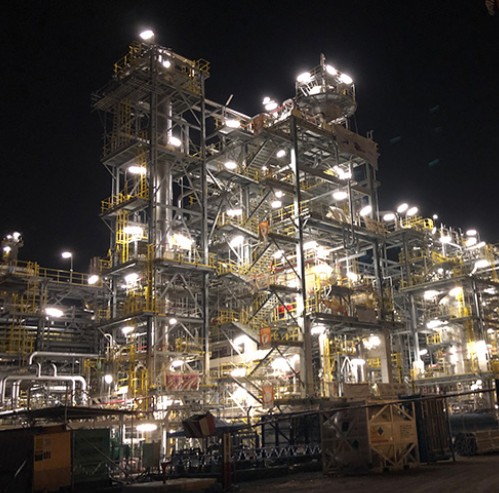
In triple-eccentric butterfly valve applications, this valve demonstrates adaptability across the entire industry chain.
Natural Gas and Oil: These valves are used in pipelines to regulate the flow of crude oil, natural gas, and refined petroleum products. They can withstand high pressure and high temperature conditions, making them suitable for harsh environments.
Power: Triple eccentric butterfly valves are commonly used in power plants to control the flow of steam and other fluids in boiler systems, cooling water circuits, and fuel supply lines.
Petrochemical and Chemical Industries: These valves are used in chemical plants to control the flow of corrosive fluids. The third eccentric design minimizes wear and prevents leaks, ensuring safety and efficiency.
Water Treatment: In water treatment plants, these valves regulate the flow of water and chemicals, providing precise control and airtight shut-off.
Marine: Triple eccentric butterfly valves are used in a variety of applications in the shipbuilding industry, including ballast systems, cooling systems, and fuel lines.
Mining: Mining processes involve the transport of abrasive materials . These valves can withstand the abrasion encountered in such applications.
The triple eccentric butterfly valve represents a technological leap forward in flow control for oil and gas applications, achieving significant improvements in reliability, safety, and operational economics. Its core advantages—superior sealing, corrosion resistance, reduced maintenance, thermal stability, and lifespan savings—precisely address the pain points faced by technical and business stakeholders across the hydrocarbon value chain.
Related Posts
- ▶ Latest Innovations in High-Quality Pressure Regulating Valve Technology
- ▶ How Manual Diaphragm Valves Prevent Contamination in Food Processing
- ▶ Common Mistakes to Avoid When Selecting Diaphragm Valve Manufacturers
- ▶ 5 Common Mistakes When Installing Gas Pressure Regulators
- ▶ What Industries Commonly Use Diaphragm Valves and Why?
- ▶ How Diaphragm Valves Improve Safety in Chemical Processing
Send Us A Message